
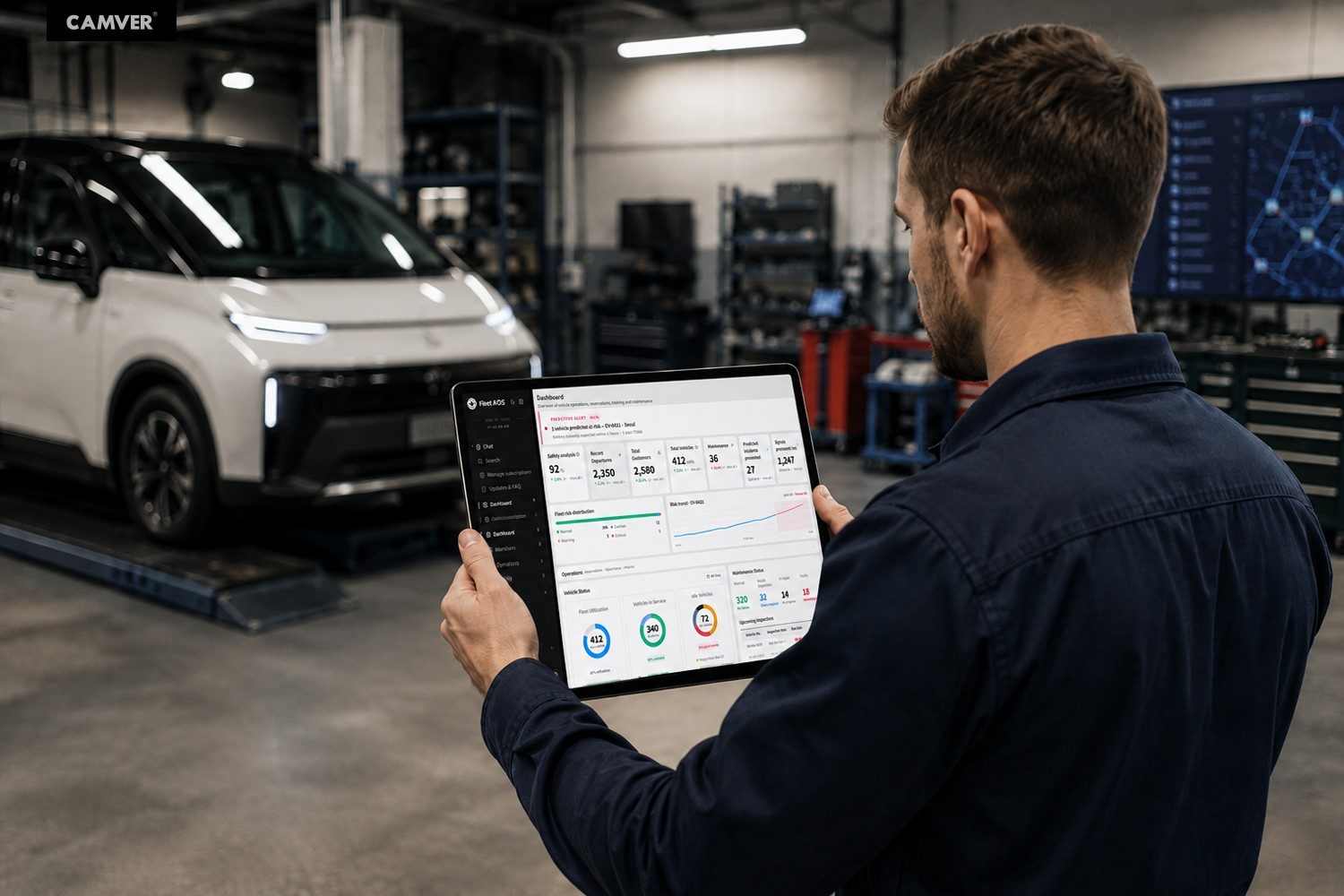
Fleet AI OS
AI-based integrated safety monitoring for EVs and special-purpose vehicles. It shows each vehicle's condition as a single risk index and alerts you before things turn dangerous.
Overview
Monitoring we built to protect our own vehicles
CAMVER has run 145 vehicles of its own for six years. Fleet AI OS is built on our own AI engine, trained on the driving data gathered over that time.
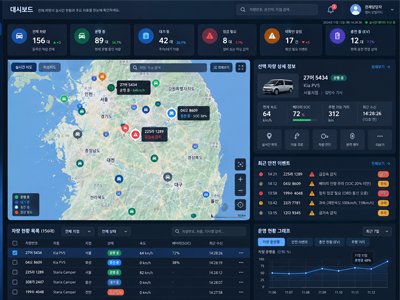
It collects the data each vehicle sends, reads risks ahead of time, and controls the vehicle remotely when needed. However many vehicles you have, you see them all on one monitoring dashboard.
Accident-free distance to date 4.5 million km · Related patents 13 (5 registered · 8 pending)
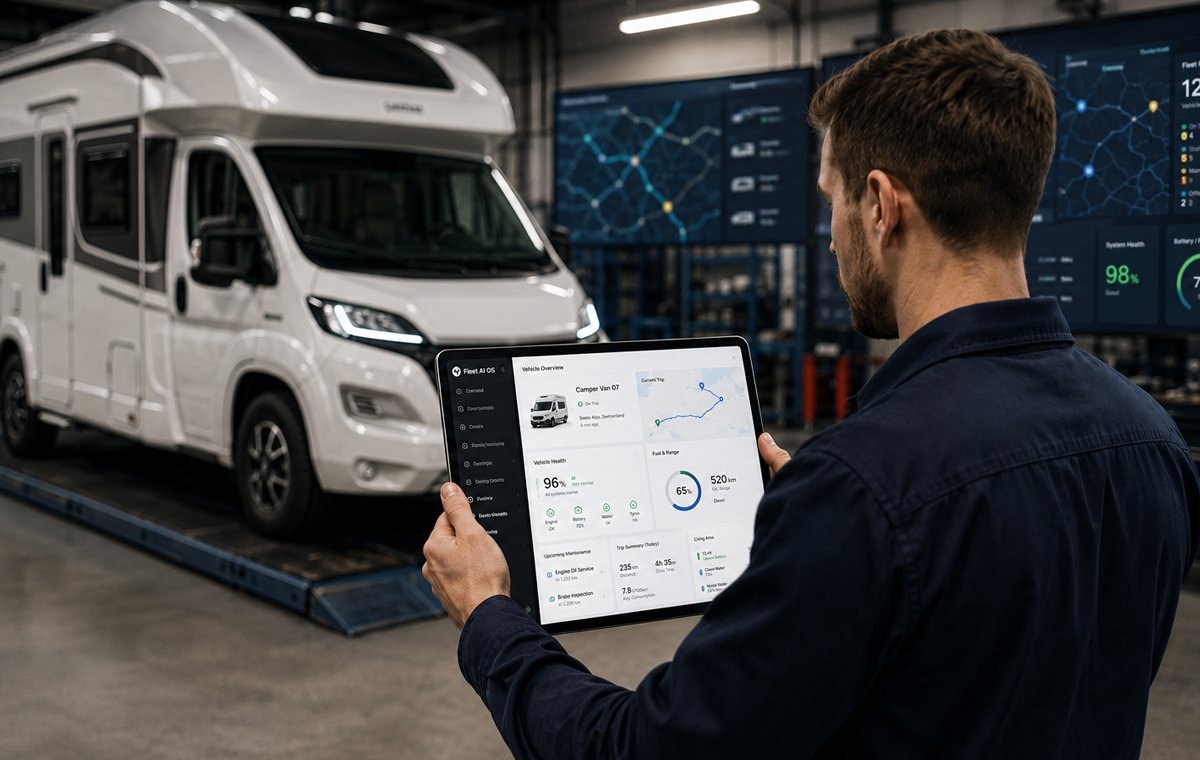
What the monitoring dashboard does
Real-time monitoring
See vehicle location and driving status in real time, with an around view monitor (AVM) to reduce blind spots.
Vehicle management
Driving records and patterns build up as data for each vehicle, helping cut operating costs and manage drivers.
Environment sensors
Six readings, such as cabin temperature and carbon monoxide, help prevent accidents before they happen.
Remote control
Check vehicle location and control the vehicle remotely from an app or PC.
How It Works
From vehicle data to an early alert
-
01
Collect
Seven types of in-vehicle data are gathered in the main unit. Everything except camera data goes to the cloud in real time. For video, we receive only the segments where a risk was detected, and that video is deleted automatically after the retention period.
-
02
Read
Our own AI engine compares real-time data with the training data built up over the years and produces a risk index from 0 to 100. Each assessment takes 0.18 seconds.
-
03
Alert
When the risk index goes above 70, the system sends an automatic warning. Above 85, it responds right away at the highest risk level. Remote control responds in 0.81 seconds.
- OBD
- IoT
- Camera
- Environment sensor
- MDVR
- BMS
- GPS
Risk index levels
- 0–70 NormalContinuous monitoring
- Over 70 WarningAutomatic warning to the monitoring dashboard and staff in charge
- Over 85 EmergencyImmediate response at the highest risk level
Environment sensor thresholds
| Item | Unit | Warning | Danger |
|---|---|---|---|
| Temperature | °C | 30 | 35 |
| Humidity | % | 70 | 80 |
| Volatile organic compounds (TVOC) | ppm | 0.3 | 0.5 |
| Carbon monoxide (CO) | ppm | 7 | 10 |
| Carbon dioxide (CO₂) | ppm | 800 | 1,000 |
| Fine particles (PM2.5) | ㎍/㎥ | 25 | 35 |
Default thresholds on the Fleet AI OS monitoring dashboard.
Performance
Verified by accredited testing
Source: KTCC test report KTCC-R-2025-0169 (Dec 2025)
| Test item | Result |
|---|---|
| Fire anomaly detection accuracy | 100% |
| Risk assessment time | 0.18 s |
| Remote control response time | 0.81 s |
| Control accuracy | 99.94% |
| Uptime | 99.925% |
| Error rate | 0% |
Field trial results
Results from the leisure PBV field trial (2024–2025).
Certifications and registrations
- Regulatory sandboxSpecial exemption for field trials No. 703
- Location dataRegistered location-based service provider No. 2441
- Patents13 (5 registered · 8 pending)
Applications
Where it is used

Employee benefit mobility
Safe operation of employee leisure vehicles and company cars

Public and industrial mobility
Vehicles for public and industrial sites, such as on-site rest shelters and ambulances

Leisure PBV sharing
Sharing of leisure purpose-built vehicles (PBVs) such as camper vans
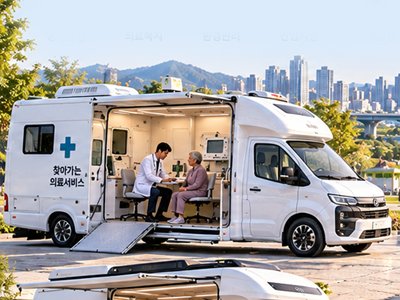
Mobile cultural services
New cultural services brought to people by vehicle
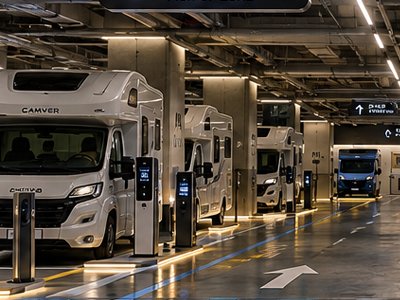
Smart Station
Vehicle pickup, return and inspection records managed at each station
Location-based content
Local information and content matched to the vehicle's location
Considering Fleet AI OS?
Tell us your vehicle types and fleet size, and we will suggest the right setup.